My Mom is the Best Retro Design
First Impressions: Warm, Nostalgic, and Ready for Custom Crafting
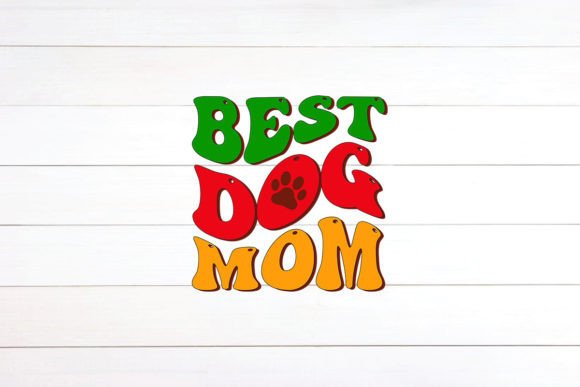
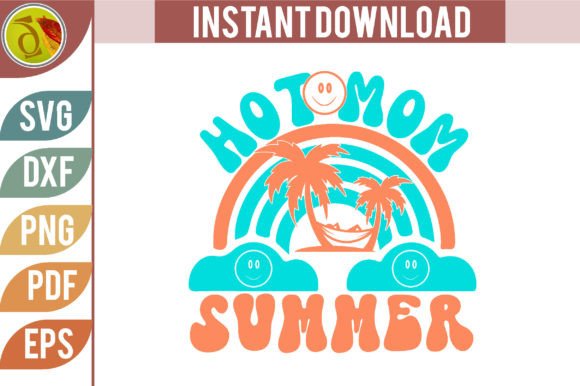
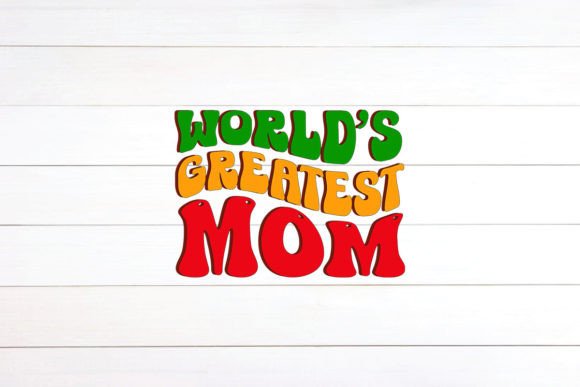
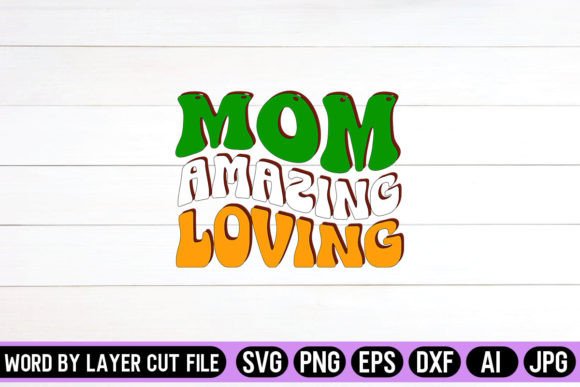
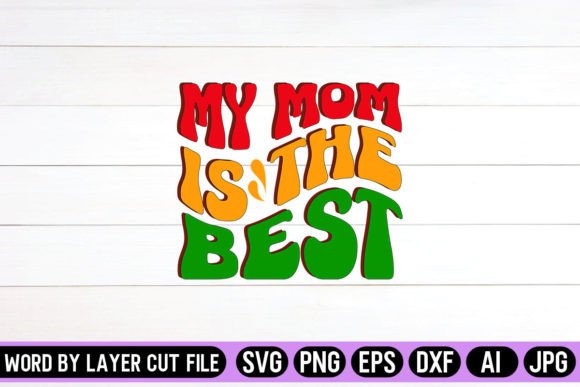
Opening the zip folder for My Mom is the Best Retro Design, the first thing I noticed was the thoughtful layering in the SVG files. This isn't just a flat graphic—it's a design that feels like it was built with embroidery in mind. The retro font styling, paired with classic layout elements, immediately suggests a warm, sentimental tone. It’s the kind of design that could easily land on a baby onesie, a tote bag, or a personalized sweatshirt without feeling forced.
The word-by-layer format makes it easy to customize colors and stitch order, which is a huge plus for designers working with multi-color thread palettes. It’s not overly detailed, which helps maintain clarity across different fabric types, and the balance between open space and stitch density suggests it should translate well to physical embroidery without causing puckering or thread crowding.
Real-World Use: From Tote Bags to Baby Clothes
I recently tested this design on a custom embroidered tote bag for a small boutique client. The result was clean and charming—exactly what they were going for. The font has a hand-drawn quality that feels personal, and the retro vibe gave the finished product a sense of nostalgia without looking outdated.
When I tried it on a baby onesie, the design scaled down nicely. The lettering remained legible, and the satin stitch outlines held up well on the lightweight knit fabric. I used a light tear-away stabilizer and was pleased with how the design maintained its shape even after a gentle wash. It’s a great fit for personalized baby gifts or custom maternity wear.
For a holiday craft fair project, I stitched it onto a cotton pillow cover using a neutral thread palette. The result was subtle but impactful—perfect for handmade home decor. It also looked great on a dark fabric background, though I did test a few contrasting thread colors before settling on a soft cream shade.
Where to Be Careful: Fabric and Fit Matter
While My Mom is the Best Retro Design is versatile, it does require some thoughtful placement and fabric selection. On stretchy fabrics like performance fleece or stretch cotton, I noticed slight distortion in the lettering unless I used a firm cutaway stabilizer. This is especially important if you're embroidering on items like caps or curved surfaces where tension can be tricky.
Small hoop sizes can also be a limiting factor. If you're working with a 4x4 hoop, you may need to adjust the layout or simplify some of the layering to fit everything comfortably. I also noticed that the finer details in the corners of some letters can get lost on textured fabrics like burlap or thick canvas unless you increase the stitch density slightly.
Dark fabric users should test thread colors carefully. The retro design uses thinner lines and open spaces, so contrast becomes more critical than with bolder graphics. I found that a metallic or matte finish thread worked better than standard polyester for maintaining visibility on black or navy backgrounds.
Impact on Product Quality and Customer Appeal
This design brings a strong emotional component to the table, which is always a plus for gift items. I’ve used it on personalized aprons for a local bakery, and the response was overwhelmingly positive. Customers appreciated the handmade touch and the sentimental message.
From a branding standpoint, the retro style gives small shops a sense of authenticity and warmth. It works well for Etsy sellers offering custom embroidered items, especially in niches like motherhood gifts, baby showers, or boutique-style apparel. The design elevates the perceived value of the finished product without looking overly trendy or disposable.
It’s also a good choice for digital product sellers offering embroidery files or printable mockups. The layered SVG format makes it easy to adapt for different color schemes and preview mockups. I found that using it in black and white mockups helped potential buyers visualize the design across a range of fabric types.
Designer Notes: Practical Tips Before You Stitch
- Test on scrap fabric first—especially if you’re using a new stabilizer or unfamiliar fabric.
- Check thread color contrast against both light and dark backgrounds before stitching a final piece.
- Review stitch density settings if you’re working on stretchy or textured materials.
- Confirm hoop size compatibility before starting a project—especially for small-batch or custom orders.
- Inspect small details like letter corners and layer transitions to ensure they’ll stitch cleanly.
- Test in black and white mockups to see how the design will look across different color options.
- Use proper stabilizer based on fabric type—cutaway for stretchy, tear-away for stable cottons.
- Confirm licensing before using the design in commercial embroidery or digital product bundles.
Final Thoughts: A Thoughtful Design for Real Projects
My Mom is the Best Retro Design is more than just a cute phrase—it’s a well-structured, adaptable embroidery asset that works across a range of real-life projects. Whether you're creating personalized gifts, boutique apparel, or digital embroidery files for resale, this design holds up well under scrutiny and stitching alike.
Its retro charm and flexible format make it a solid addition to any embroidery designer’s toolkit. Just be mindful of fabric choice, stabilizer use, and thread contrast, and you’ll get a polished, professional-looking result every time.